The call you make when the line can't stop.
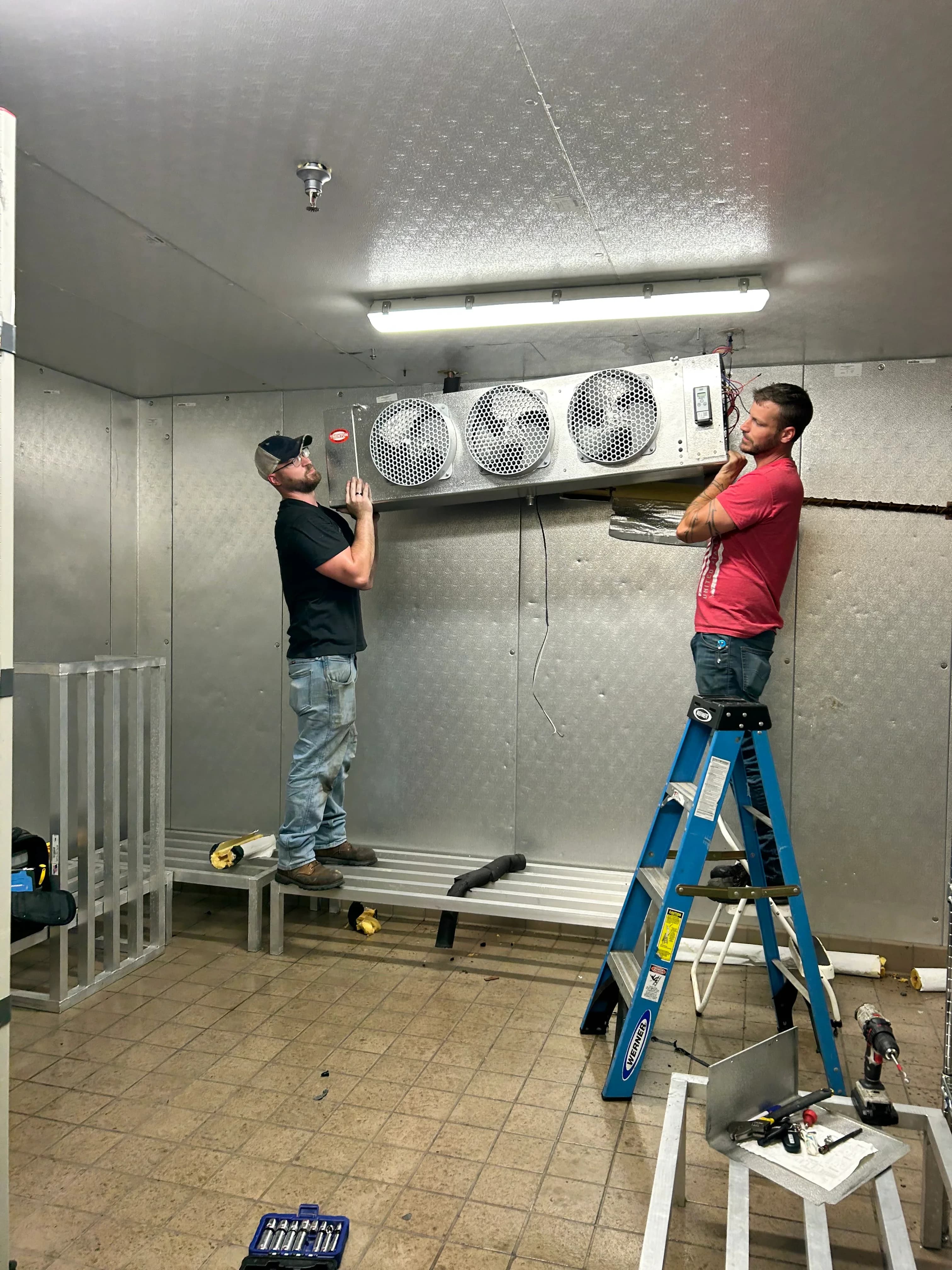
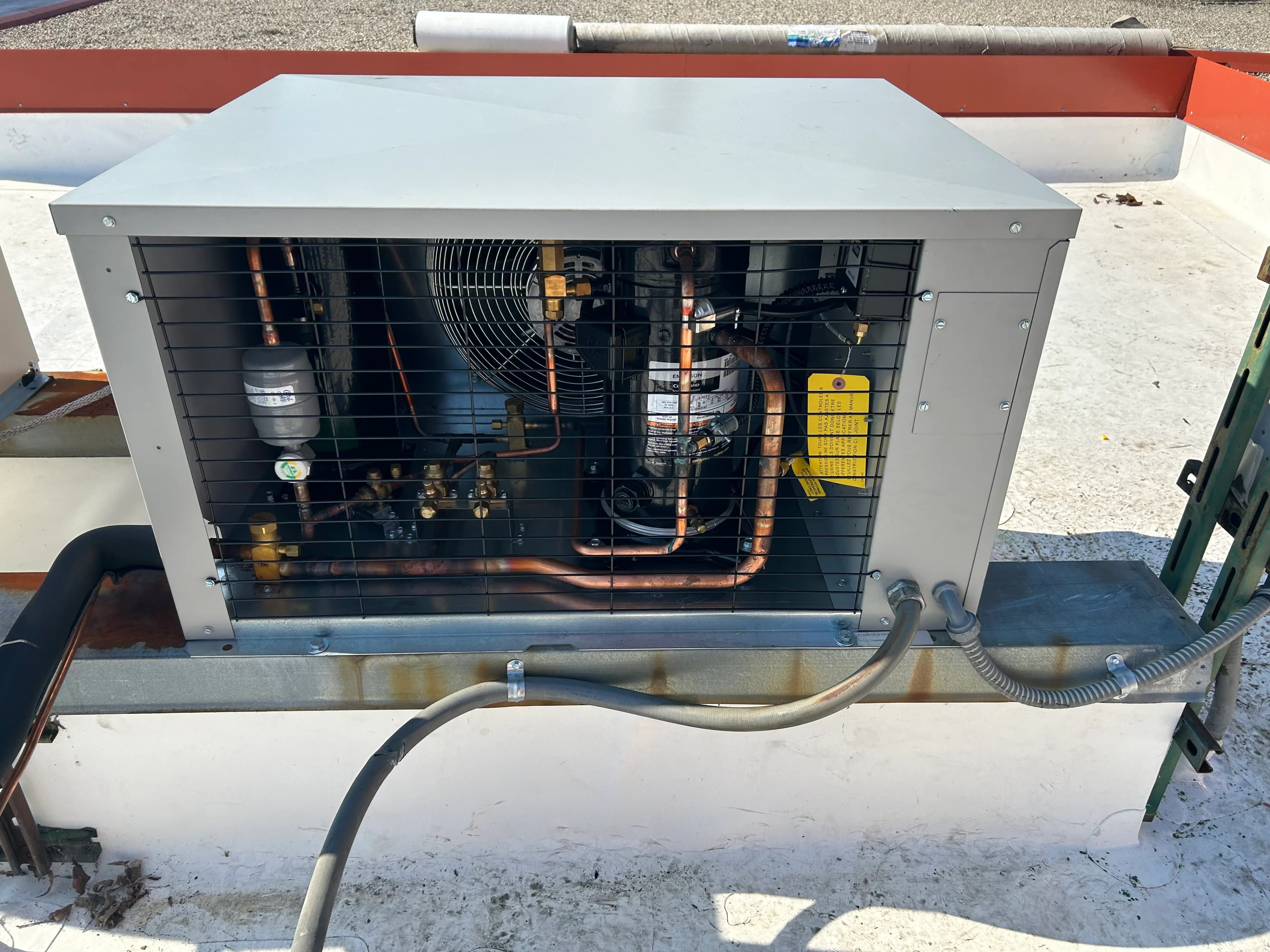
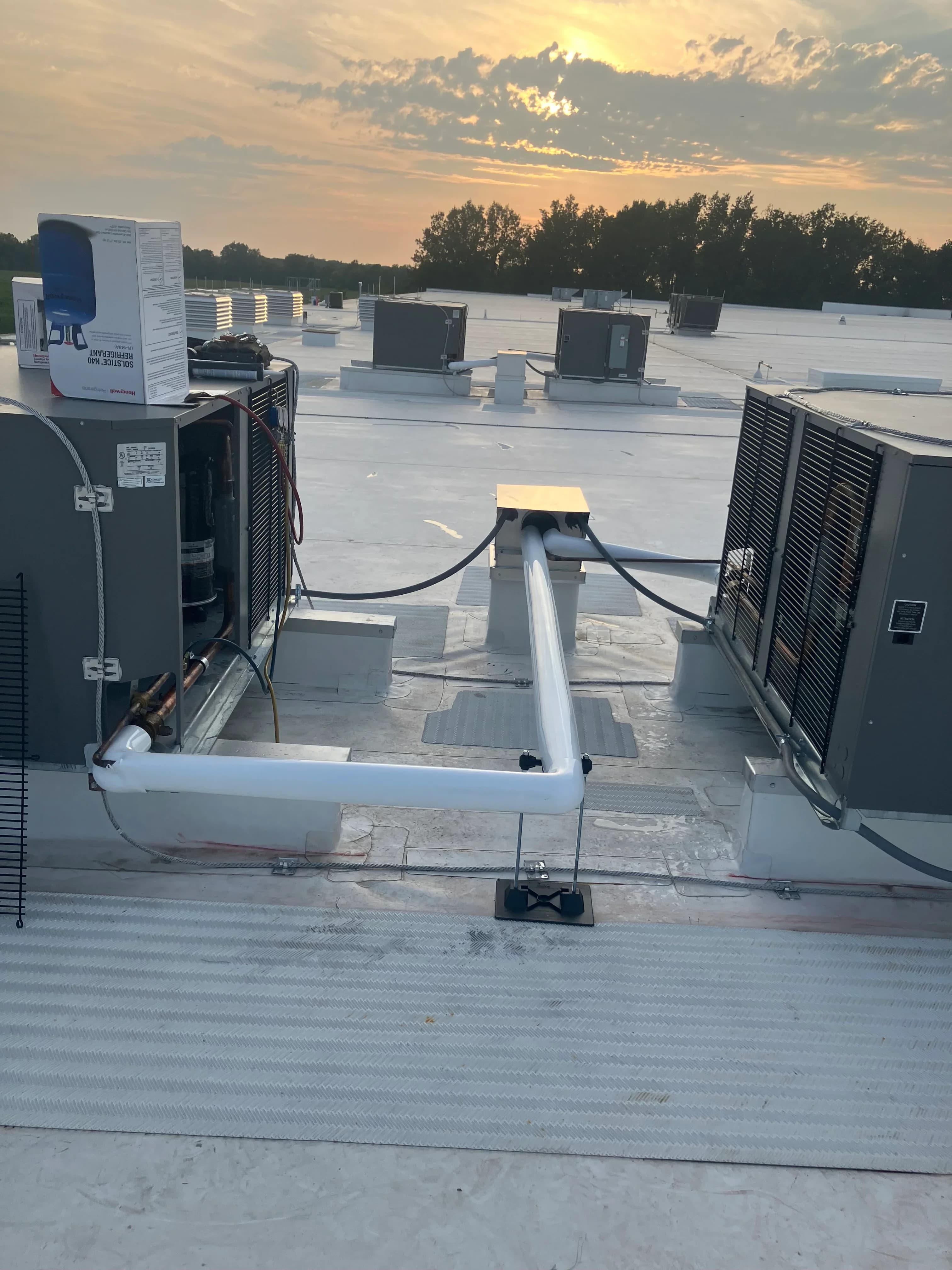
A walk-in climbing past 40°. A fryer dead before the lunch rush. A rooftop unit down in July. Call the emergency line — we'll get a technician headed your way with the goal of getting you running again.
A breakdown never bills you just once.
A breakdown never bills you just once. A walk-in that drifts warm overnight takes a cooler full of product with it. A dead fryer doesn't just skip lunch — it backs up the whole line, burns labor, and sends covers down the street. The real cost of a failure is almost never the part; it's every hour the equipment stays down.
That's why our emergency service is built around one goal: getting you operational. We take the call, route a technician who knows your equipment, and the first move on-site is protecting product and restoring service — even before the permanent fix.
When you call, we'll ask:
You don't need any of this to call — but having it ready shaves minutes off the clock.
- 1What the equipment is
Make and model if you have it — a photo of the data plate is perfect. “The old True two-door” works too.
- 2What it's doing (or not)
Warm but running? Tripping the breaker? Iced solid? Any alarm codes on the controller?
- 3What's at risk
A loaded walk-in gets triaged differently than an empty prep table. Tell us what's inside.
- 4How we get to it
Site hours, roof access, lockboxes, who to call at the door — so the tech starts working, not waiting.
What happens the moment you call.
We take the details
Tell us the equipment, the site, what it's doing, and what's at risk inside it. We log the call and get a technician routed — whether you reach our team directly or through our call handling.
We triage & route
Loaded walk-ins and food-safety risks jump the queue. We match a tech to your equipment and location, and give you a straight ETA.
Stabilize first, then fix
First priority is protecting product and getting you operational — even if that means a temporary measure while a part ships. You'll know the plan before we start.
Fix, test & document
We complete the repair, run the equipment through a full cycle, photograph the work, and flag anything that's about to fail so it never becomes your next emergency call.
Four moves that save product before we arrive.
The truck is rolling. Here's what actually helps in the meantime — and what makes things worse.
1. Keep the doors closed
A loaded walk-in holds safe temperature for hours if nobody opens it. Every peek costs you cold air you can't get back. Tape it shut if you have to.
2. Consolidate what's at risk
Move the most perishable product into whatever's still holding temp — reach-ins, a neighboring walk-in, ice in transport totes. Log the times; your health inspector will thank you.
3. Stop hitting reset
If it trips twice, let it stay off. Repeated restarts can turn a cheap component failure into a dead compressor — the difference between tonight's fix and next week's replacement.
4. Clear a path to the unit
Unlock the roof hatch, move the boxes off the condensing unit, know where the disconnect is. Ten minutes of access saved is ten minutes sooner you're running.
Diagnose first. Fix what's failing.
Every call starts with finding the real cause — not guessing. These are the failures we see most on emergency visits:
- Compressors, start kits & capacitors
- Condenser & evaporator fan motors
- Contactors, relays & control boards
- Igniters, thermostats & safeties
- Refrigerant leaks & recovery work
- Belts, filters, gaskets & door hardware
When a part isn't available on the first visit, we say so — then stabilize the equipment and protect your product until the fix is complete.
No breakdown too big or too weird.
Product-first triage — stabilize the load, then fix the cause.
EPA-certified leak repair, not just a recharge that fails again.
Igniters, safeties, and gas valves on the major brands.
Dispatched with roof access in mind — July or January.
Back to full production, plus the cleaning that stops repeat failures.
We find why it tripped before we reset it — no band-aid restarts.
The repair ends. The paper trail doesn't.
Every emergency call closes the same way — documented, explained, and turned into a plan so it doesn't happen twice.
Rather never make this call again? See preventive maintenanceA record, not a receipt
Photos of the work, measurements taken, parts installed — logged to that unit's service history the same day.
The cause, in plain English
What failed, why it failed, and whether it's a one-off or a symptom. No jargon, no upsell script.
A watch list, if we saw one
Worn contactors, a coil one season from failing — we flag it with an honest read on urgency, so you decide on your schedule instead of mid-rush.
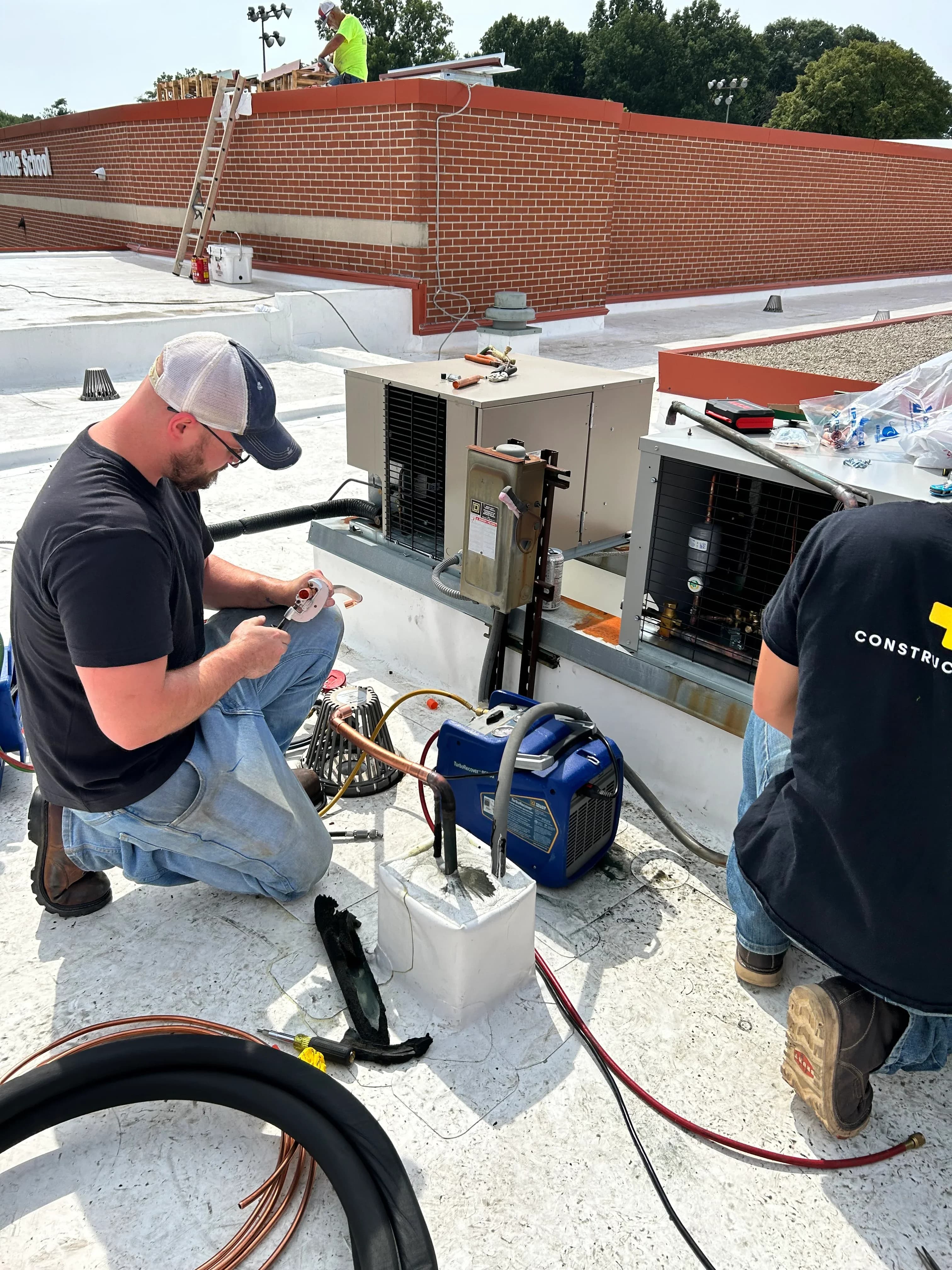
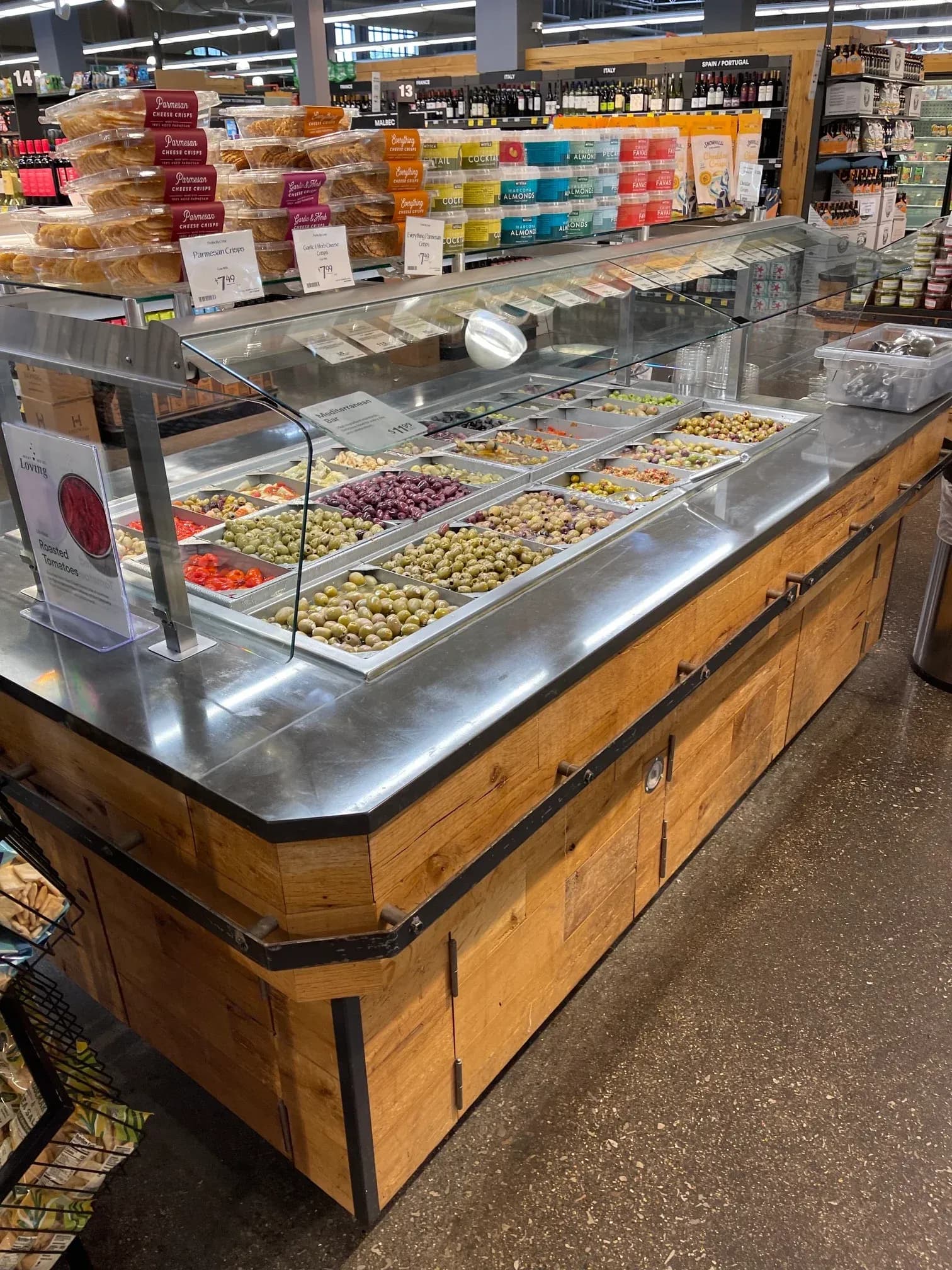
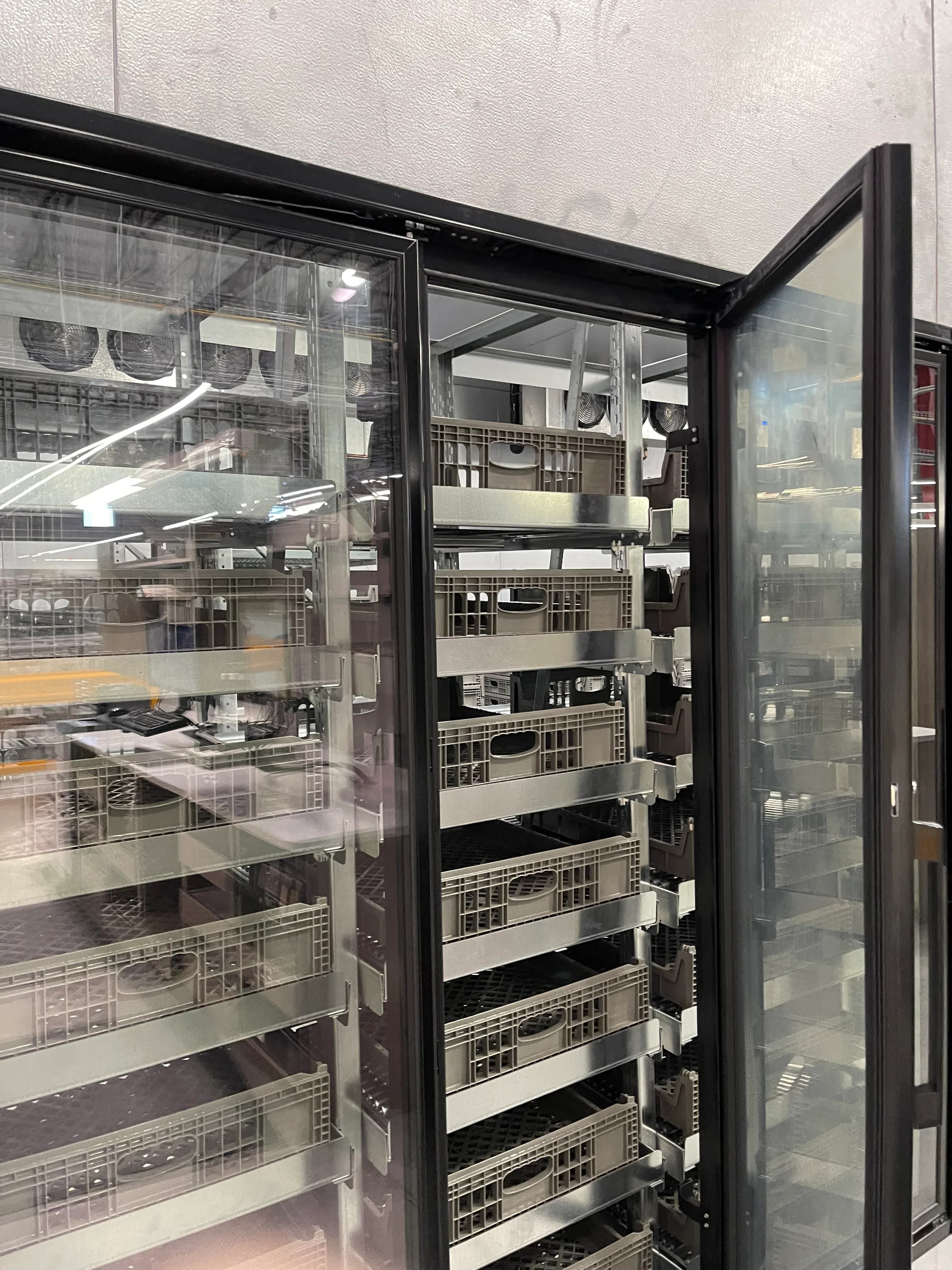
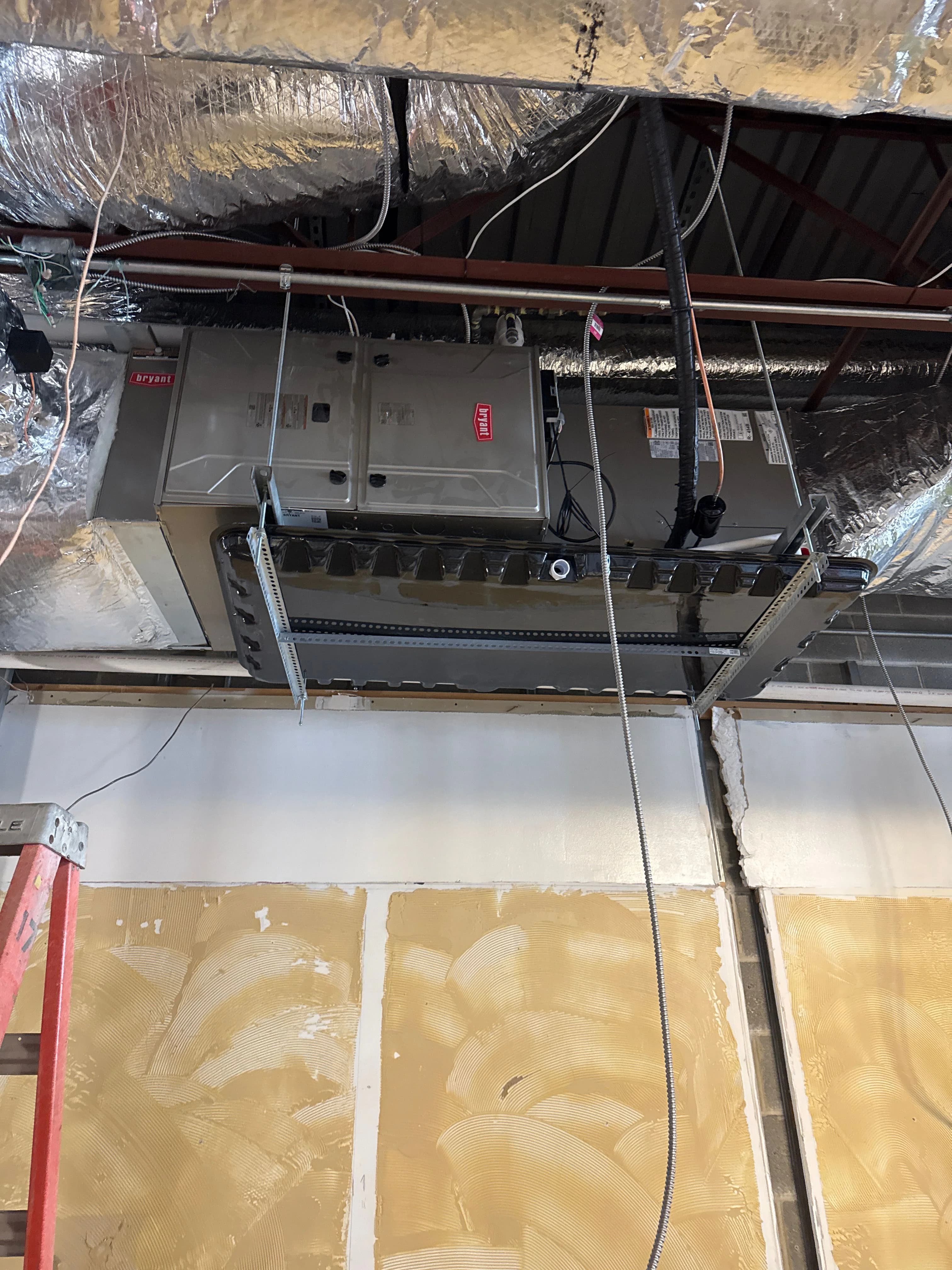
Real calls, real fixes.
Emergency repair, asked and answered.
What counts as an emergency?
If it's costing you product, covers, or safety, it's an emergency — call. Loaded walk-ins, dead cook lines, and food-safety risks jump the dispatch queue. When in doubt, call anyway; we'll tell you straight.
How fast can you actually be here?
It depends on the call load, your location, and what's down. Loaded walk-ins and food-safety risks get priority routing. When you call, we give you a straight ETA — and update you if anything changes.
What does emergency service cost?
Straight answer: after-hours work carries an emergency rate, and we'll tell you what it is before a technician rolls. You approve the diagnosis and the repair price before we start the fix — no surprise line items.
Do I need to be a contract customer to get emergency service?
No. We answer for everyone. Preventive maintenance customers do get priority scheduling when the board fills up — one of several reasons a planned program pays for itself.
Will you have the parts for my brand?
Often, yes — our technicians are factory- and CFESA-trained across the major kitchen, refrigeration, and HVAC brands. When a part isn't on hand, we tell you straight, stabilize the equipment, and schedule the return with a firm window.
What if it can't be fixed on the spot?
We tell you straight, stabilize the equipment, and protect your product — temporary measures, expedited parts, and a scheduled return with a firm window. You'll never be left guessing whether help is coming back.
Down right now? Call — we'll get a tech routed.
Tell us the equipment, the location, and what's at risk — we'll route a technician and give you a straight ETA.
Emergency coverage runs across every system we service: