The quiet program that keeps the emergencies away.
Planned maintenance on a cadence that fits your operation. We catch worn parts, dirty coils, and drifting temps before they cost you a night of lost product — and keep a clean service history for every unit.
You already pay for maintenance. The question is the rate.
Every operator pays for maintenance — the only choice is whether you pay for it on a schedule or at emergency rates. The same worn contactor costs a planned part on a Tuesday visit, or an emergency call-out plus rush freight plus a walk-in full of product once it finally lets go. Deferred maintenance isn't savings; it's a loan against your equipment, at emergency interest.
A program flips the economics. Clean coils pull less power every hour they run. Verified charge and tight gaskets stop the slow drifts that spoil product. And a documented history per unit means repair-or-replace decisions get made with numbers, on your schedule — not in a panic with the dining room full.
The same failure, two ways to pay for it.
Take one worn compressor contactor on a walk-in cooler.
- Emergency call-out rate
- Overnight freight on the part
- A walk-in of product on the line
- Possible collateral damage — a burned compressor
- Your team firefighting instead of prepping
- Flagged during a scheduled inspection
- Standard part, standard rate
- Swapped before it ever fails
- Zero product at risk
- You find out from a report, not an alarm
A checklist, not a quick glance.
One visit covers the whole building — cold side, hot side, and air side — with the same thorough pass every time, logged per unit.
Cold side
- Clean condenser & evaporator coils
- Verify refrigerant charge & superheat
- Test defrost cycles & drain heaters
- Inspect door gaskets, sweeps & hinges
- Calibrate & log box temperatures
- Descale & sanitize ice machines
Hot side
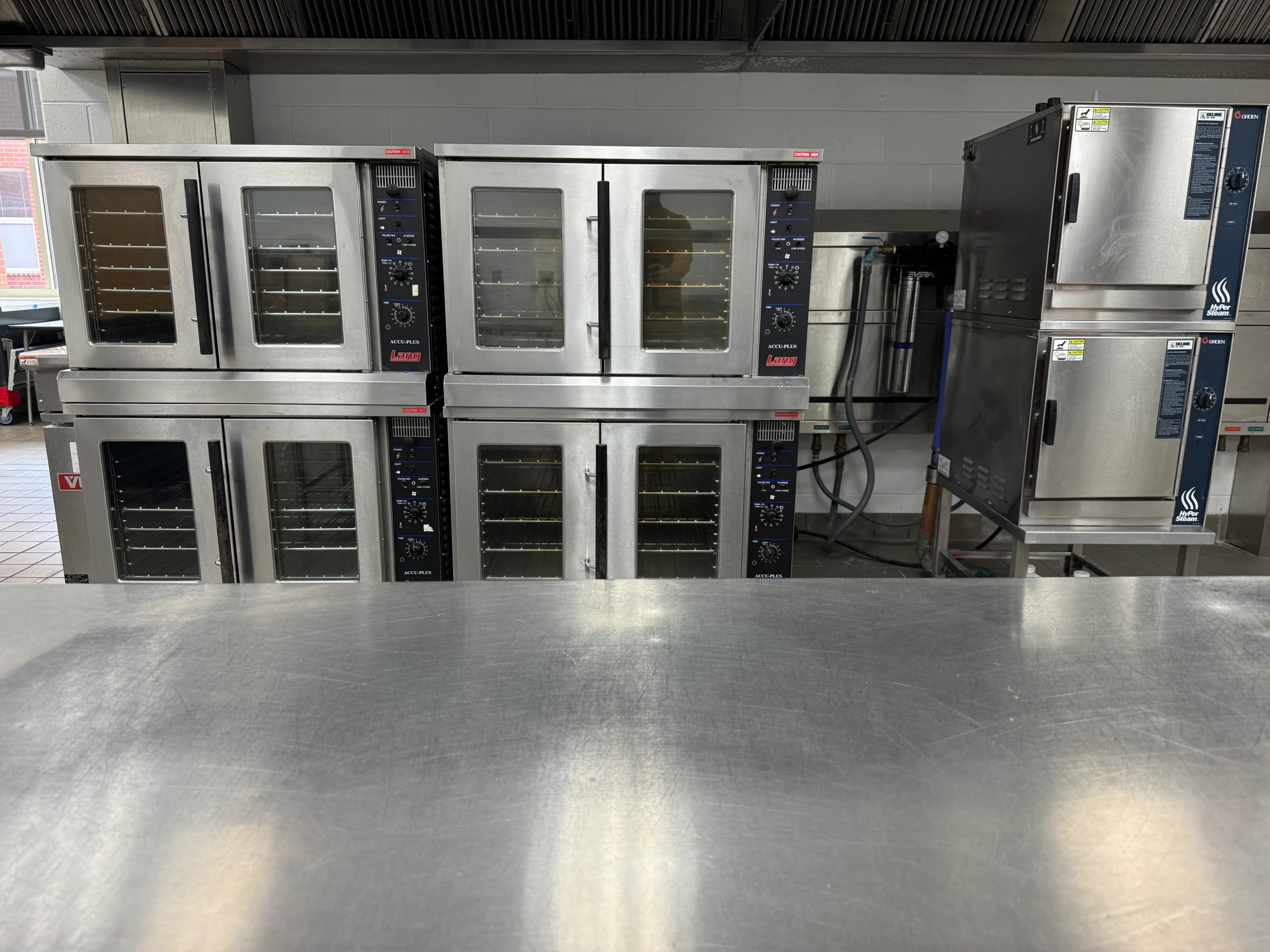
- Calibrate oven, fryer & griddle temps
- Inspect burners, igniters & pilots
- Test high-limits & safety controls
- Check door seals & hinges on ovens
- Verify dishmachine wash & rinse temps
- Inspect gas connections & regulators
Air side
- Change filters & inspect belts
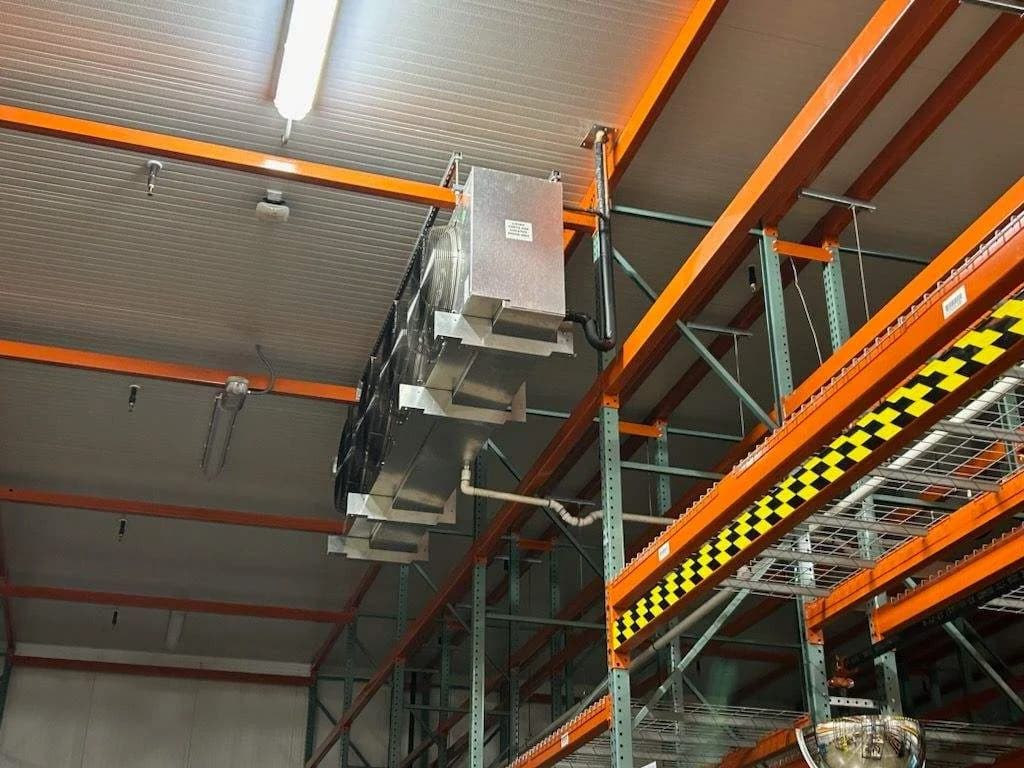
- Clean coils & condensate drains
- Check motors, bearings & amp draws
- Test thermostats, sensors & controls
- Verify make-up air balance to hoods
- Tighten electrical connections
Every unit gets a service history.
The visit is half the value. The other half is what the checklist leaves behind: a living service history per unit — findings, measurements, and photos — that turns maintenance from a cost into information.
Full service history
Every visit, repair, and part — with photos — in one place, from commissioning to retirement.
Measurements, trended
Temps, amp draws, superheat over time. A compressor pulling more current every quarter is telling you something; we listen.
Warranty & parts status
What's covered, until when, and which parts it takes — so repairs never pay for what the manufacturer owes.
Repair-or-replace math
When a unit starts costing more than it's worth, the record proves it — and you budget the replacement instead of eating a surprise.
- Box temp36.1°Fsteady
- Superheat8°Fsteady
- Compressor amps12.4Awatch
- Door gasketReplaced Q1done
Amp draw trending up — inspect start components at Q3 visit.
Programs that scale with you.
Seasonal
Spring and fall tune-ups timed to the heavy cooling and heating seasons — the essentials, covered.
- Full cold-, hot- & air-side checklist
- Service history per unit
- Written findings after every visit
- Straight repair-or-replace advice
Quarterly
Our most popular program. Steady eyes on every system, with priority scheduling when something does come up.
- Everything in Seasonal
- Priority emergency scheduling
- Measurement trending per unit
- Filter & gasket program included
- Annual budget & replacement forecast
Custom
Multi-site, high-volume, or health-code-critical? We build a cadence and reporting package around your operation.
- Site-by-site cadence & scope
- Consolidated multi-site reporting
- Compliance-ready documentation
- Dedicated account contact
Starting is one visit, not a project.
We walk the site
Every unit that heats, cools, or moves air gets tagged and added to your inventory — usually inside a morning.
We baseline everything
First measurements recorded, obvious risks flagged honestly: what's urgent, what can wait, what's fine.
You get the plan
A cadence and price built on your actual equipment list — not a one-size contract. Adjust it as your operation changes.
Equipment that keeps earning its keep.
Maintenance programs, asked and answered.
Does preventive maintenance actually pay for itself?
For most operations, clearly yes. Customers on a program see around 60% fewer emergency calls — and every avoided emergency is an after-hours rate, rush parts, and product loss you never pay. Add lower energy use from clean coils and longer equipment life, and the program usually costs less than the problems it prevents.
Am I locked into a long contract?
No. Programs run on straightforward terms you can adjust as your operation changes — add a site, drop a unit, change cadence. We keep customers with results, not fine print.
Our equipment is older and has been neglected. Can you still take it on?
That's the most common starting point. The first visit baselines everything and flags what's urgent versus what can wait — honestly. Plenty of “tired” equipment has years left once it's clean, charged, and adjusted.
Do program customers get priority when something does break?
Yes. Quarterly and Custom customers get priority emergency scheduling — when the board fills up on a hot Friday, your call moves up the list. And because we already know your equipment, the fix is usually faster too.
How do you price a program?
From your actual equipment list, not a square-footage formula. After the first walkthrough you get a per-visit price tied to the inventory we tagged. Multi-site operators get consolidated pricing and reporting.
Will you tell us when replacement beats repair?
That's half the point of the record. When a unit's history shows it costing more than it's worth, we show you the numbers and say so — even though we'd make more money continuing to repair it.
Stop paying for surprises.
Tell us what equipment you run and how many sites. We'll build a maintenance cadence that quietly keeps the emergencies off your calendar.
One program can cover every system in the building: